
 Green shopping can be confusing! Many products claim to be “natural,” “eco-friendly,” and “biodegradable.” But what in the world does that mean? Unfortunately, because there’s no standardized definition for any of these words, they’re actually meaningless. In fact, many companies intentionally use vague words to market their products as if they’re better for you and the environment than they actually are.
Here are links to 13 of the best eco labels in the market. What makes them so good? They’ve been defined by independent institutions or nonprofit organizations that have set meaningful criteria that companies must prove they’ve met in order to use the ecolabel in question. When you shop, look for these “third party” certifications to back up the claims a company makes regarding the environmental and human health benefits of their products.
NOTE: These ecolabels are among the best you’ll see when you shop. That doesn’t mean they’re perfect. They sometimes allow “wiggle room” for manufacturers, and they don’t take every possible impact into consideration. But don’t let perfect be the enemy of the good! The labels listed below are making things better, and driving manufacturers to reduce pollution, limit or eliminate use of toxic chemicals, and save energy. When we use them, we put the power of our purse to work to create support for strengthening the labels while helping to protect ourselves and our families.
Best Eco Labels
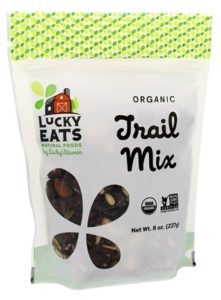
 Organic – The U.S. Department of Agriculture collaborated with scientists, consumer groups, environmentalists and the agriculture industry to set standards for the meaning of the word “organic.” Products labeled “100 percent organic” must contain only organically produced ingredients. Products labeled “organic” must consist of at least 95 percent organically produced ingredients. Products meeting either set of requirements may display the USDA Organic seal on their packaging. Processed products that contain at least 70% organic ingredients may use the phrase “made with organic ingredients,” but may not use the organic seal. Processed products that contain less than 70% organic ingredients may not use the term “organic” other than to identify the specific ingredients that are organically produced in the ingredients statement. Overall, when it comes to food, the organic label, while not perfect, is the best indicator that no or minimal toxic pesticides, hormones, and antibiotics were used for growing and processing.
 Green Seal – For more than 25 years, this non-profit, science-based organization has developed certification standards to minimize the environmental and health impacts related to cleaning products, coffee, paint, windows, even sticky notes. To earn the Green Seal, a product must meet rigorous evaluation and testing objectives, as must the facility where it is manufactured.
 LEED – The Leadership in Energy and Environmental Design (LEED) label represents a green building rating system for the design, construction and operation of high-performance green buildings. A program of the U.S. Green Building Council, LEED promotes a whole-building approach to sustainability by recognizing performance in five key areas of human and environmental health: sustainable site development, water savings, energy efficiency, materials selection, and indoor environmental quality.
Forest Stewardship Council – FSC sets standards to ensure that forests are being managed in an environmentally responsible way, and that products like timber, paper and furniture are made sustainably. Look for it when you buy writing and copy paper, stationery, couches, chairs, dining room sets, flooring, framing timber, packaging and packing materials.
 ENERGY STAR – This label, overseen by the U.S. Environmental Protection Agency, indicates homes and buildings, plus appliances, computers lightbulbs, copiers, printers, furnaces and many other products that meet strict energy-efficiency guidelines that help save energy and money and protect the environment.
 Veriflora – This label is awarded to flower growers who do not use “extremely hazardous” or “highly hazardous” agrochemicals. The VeriFlora label also indicates that growers are converting to organic and sustainable crop production practices. The standard contains extensive water and ecosystem protection measures to ensure that farmers are not damaging surrounding wildlife or habitats. In addition, it requires growers to provide a fair, equitable, and safe workplace for their farmers.
 Fair Trade Certified – This label (either version) demonstrates that the farmers and workers behind Fair Trade goods were paid fair wages and have opportunities for better health care, housing and education. The Fair Trade label is attached to coffee, chocolate, cocoa, tea, fruit, rice, sugar, spices and a variety of clothing and crafts produced in developing countries.
 Certified Humane Raised & Handled – This label provides independent verification that the care and handling of livestock and poultry on farms enrolled in the program meet high-quality, humane animal care standards. These include access to clean and sufficient food and water; sufficient protection from inclement weather; and enough space to move about naturally.
 Leaping Bunny is the certification program of the Coalition for Consumer Information on Cosmetics. The mark certifies that companies have not tested their products on animals during any stage of development. The company’s ingredient suppliers make the same pledge. Look for the Leaping Bunny label on cosmetics and personal care, household, and cleaning products.
Marine Stewardship Council – The Council’s eco-label indicates seafood that comes from fisheries that are striving to manage sustainably. Look for it on fish and shellfish, including fresh seafood sold at the counter, packaged and frozen seafood, and products like canned tuna, salmon, anchovies, sardines, and crab.
 Demeter – This label represents the Demeter Farm Standard, which indicates that a farm is organically farmed, GMO-free and also operated to promote soil fertility, animal welfare, conserve water, protect biodiversity, and managed to follow the cycles of nature. Look for it on wine, tea, juice, pasta, sauces, and many other foods.
NON-GMO Project Verified – This label indicates that products bearing it have been  produced according to the best available practices for avoiding genetically-modified organisms (GMOs). It does not promise that a product is “GMO free” because there is always some risk that seeds, crops, ingredients and products have been exposed to GMOs somewhere along their growing or production cycle. It does, however, create a powerful incentive to seed breeders, farmers, processors and manufacturers to adopt practices that reduce use of GMOs while giving consumers a way to limit their exposure.
 WaterSense – WaterSense is a label and program created by the U.S. Environmental Protection Agency. It’s designed to help consumers easily identify water-efficient products in the marketplace while ensuring product performance and encouraging manufacturers to create more products that help use water wisely. Look for it on indoor plumbing fixtures like faucets, toilets and shower heads, as well as outdoors in rain sensors, soil moisture sensors, and sprinkler systems.
RELATED
Green Shopping Guide Principles
Ten “Buy/Don’t Buy” Rules for Green Shopping
Free Newsletter: If you want regular updates on certified green products, make sure you sign up for our free e-newsletter. It’ll help you live the green life you want, and save money doing it.











8 thoughts on “The 13 Best Eco Labels To Help You Shop Green”
This is a great summary of the various informative ‘eco labels’ that exist today in the marketplace. There are many more, of course, a large number of which are of dubious value, having been created by the manufacturer or their trade association. WATCH OUT for those!! In fact, any time you see a product label that involves ‘self certification’ by the manufacturer (such as Energy Star over the past years), rather than independent certification (such as WaterSense), be VERY SKEPTICAL! Thanks for posting this information, Diane.
One correction: WaterSense does not label ‘outside faucets’.
It is always so hard to choose between products when they each have different eco labels! Humane certified is very important to me for my meat products but maybe they are not organically fed. Organic chicken can be raised in horrible conditions. Hard to decide what to buy nowadays!
Nice summary! Thanks!
But don’t forget the best label/certification of all!! It is the Animal Welfare Approved seal. It’s the ‘gold standard’ for farmers when it comes to providing assurance about their animal welfare, pasture-based farming, and sustainability practices. In fact, lot of the requirements for AWA certification go beyond even the USDA Organic and the Certified Humane label requirements. They are pretty terrific.
Check them out here
http://www.animalwelfareapproved.org
Barbara
Nice to see so many labels with third part verification now embedded into our product lines. Progress!
Yes, indeed! Thanks for saying so.
Thanks for that information, Barbara. I’m glad you let our readers know about it.
You are so right, Diane. No one label covers everything, but both the organic label and the humane certified get us closer to “better,” if not perfect.
WaterSense labels some devices that attach to faucets, and also soil moisture sensors and rain sensors. Thanks. http://www.epa.gov/watersense/outdoor/tech.html
Comments are closed.